Tray Tinkering


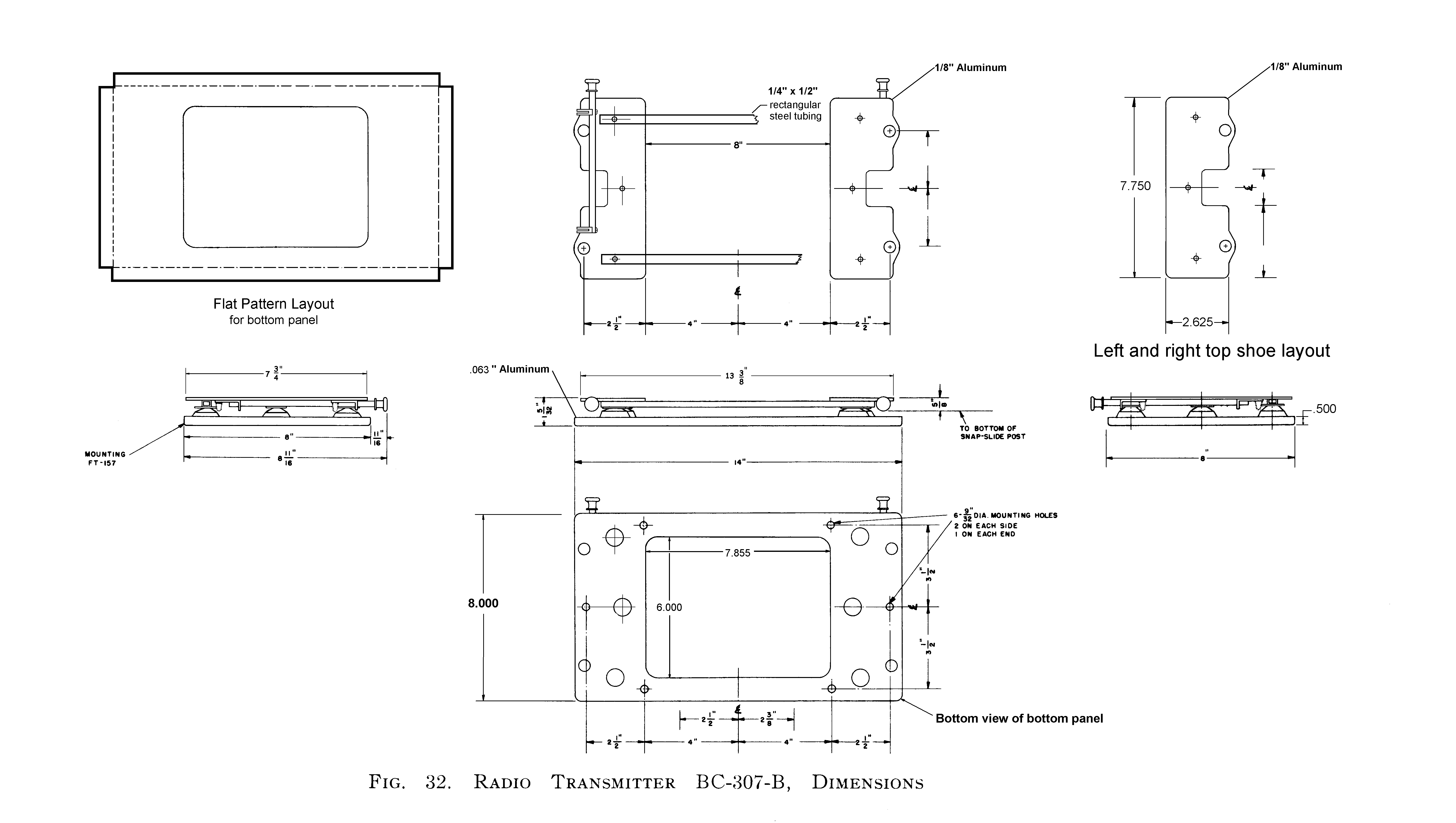
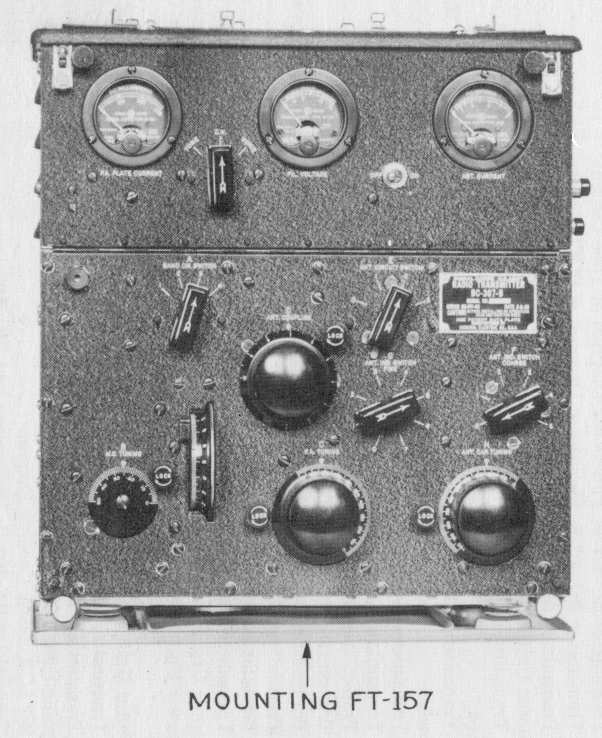
Manufacturing after the turn of the century saw remarkable advances in metallurgy and metalworking procedures. Deep drawing of sheet metal parts began to be a science instead of an art - the famous command sets used covers that were drawn out of single pieces of thin aluminum. The "cafeteria trays" that formed the bottoms of many shock mounts were similarly made of single pieces pressed into a shallow mold. The BC-375 shock mount reflects this kind of construction. The difficulty comes when trying to replicate an otherwise unavailable shock for a rare piece of equipment. This particular effort involved the shock mount for a BC-307 transmitter, made by General Electric in the mid-30s.

Now, it is certainly possible to mill out male and female dies from tool steel and press the tray into final shape in the same way it was originally made. A quick check of the pressures required showed that approach exceeding the capacity of the 12 ton hydraulic press in the shop, though. A search of the web indicated there was a more labor intensive method that was suitable to making single items. Blacksmiths have long used a technique called planishing, which involves making up a male die, often out of hardwood, and simply hammering the sheet metal over the form until it conforms to the final contour. This is the method that was used for the BC-307 shock mount shown here. The technique is ancient, and was used to make medieval armor, among other things.

The aluminum needs to be one of the easily formed alloys like 5052, and has to be firmly clamped to the die to maintain the correct dimensions. Initial tapping with a planishing hammer results in a really ugly duckling, with bumps and folds all over the place. However, patience and perserverance is eventually rewarded with an almost sudden change in appearance. Aluminum is especially responsive to stretching forces, and gentle, steady tapping on a corner will finally end with a perfectly formed female lip, marred only by hundreds of tiny flat spots. Patient sanding with wet or dry sandpaper will gradually eliminate the roughness.

To be continued


Return to AAFRadio